Begum Khaleda Zia
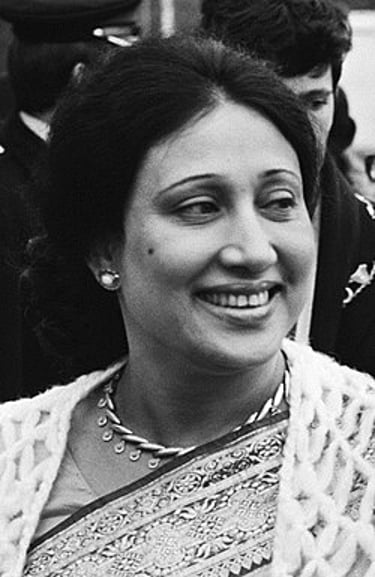
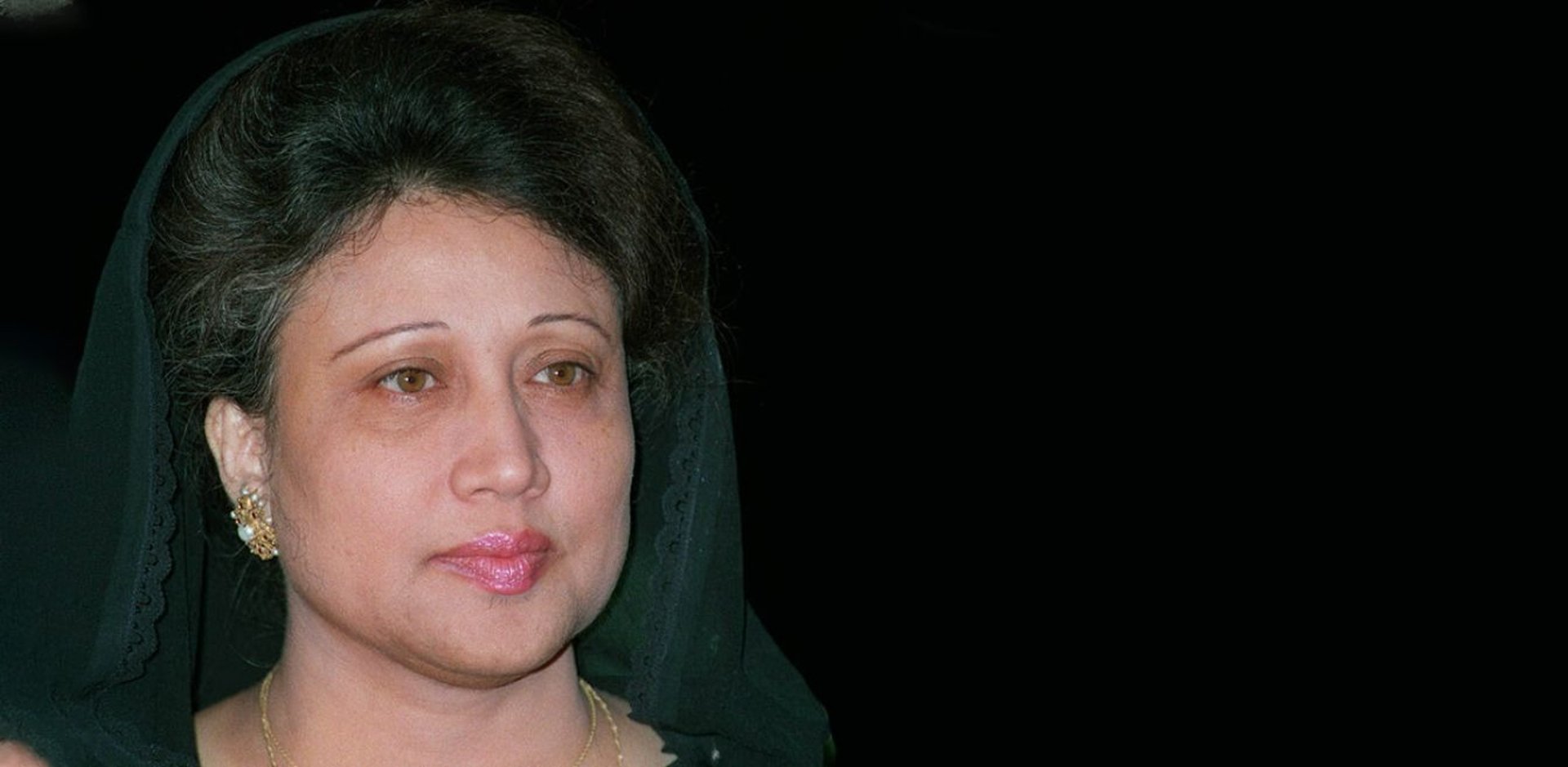
Begum Khaleda Zia, the first female Prime Minister of Bangladesh, was a pivotal figure in
the country's politics, known for her resilience and commitment to democracy.
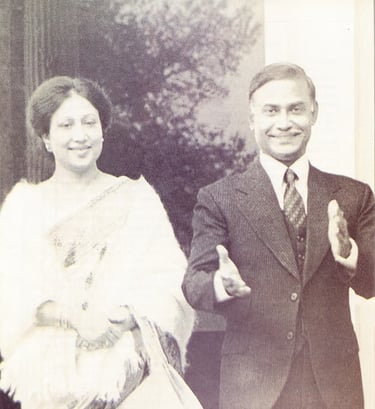
Khaleda Zia was born on August 15, 1946, in Dinajpur, which was then part of British India. She came from a middle-class Bengali Muslim family and was educated at local schools. At the age of 15, she married Ziaur Rahman, a military officer who later became a key leader in Bangladesh's struggle for independence and the country's president. Initially, she led a quiet life as a homemaker, raising their two sons.
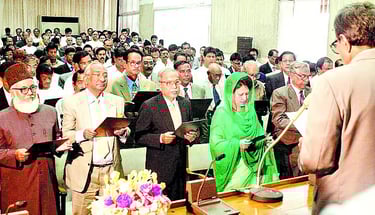
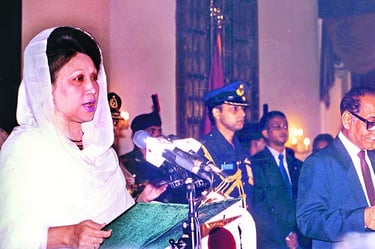
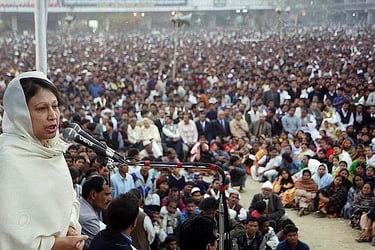
She scripted history by becoming Bangladesh’s first woman prime minister, serving terms between 1991 and 1996 and 2001 and 2006. In her first term, she steered the country back to parliamentary democracy and worked on economic reforms, educational access, and women’s opportunities. However, her tenure faced major challenges, including natural disasters, economic distress, and civil unrest.
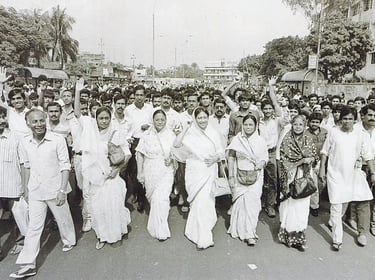
Khaleda Zia's life story is one of resilience, political struggle, and a commitment to her party and country. Her journey from a homemaker to a national leader reflects the challenges and triumphs of women in politics, making her a significant figure in Bangladesh's history. Her contributions to the political landscape continue to influence the country today.
Our Legacy
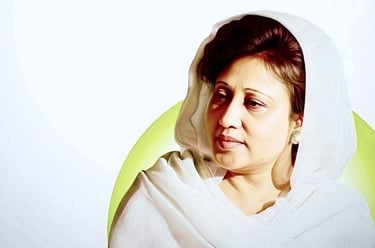
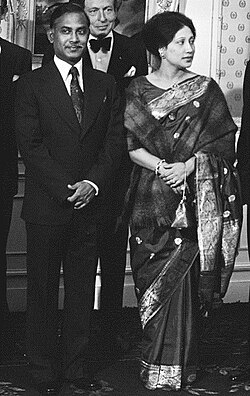
Honoring Khaleda Zia’s journey from humble beginnings to historic leadership.
Early Life
Born in Dinajpur, raised in a close-knit Bengali Muslim family.
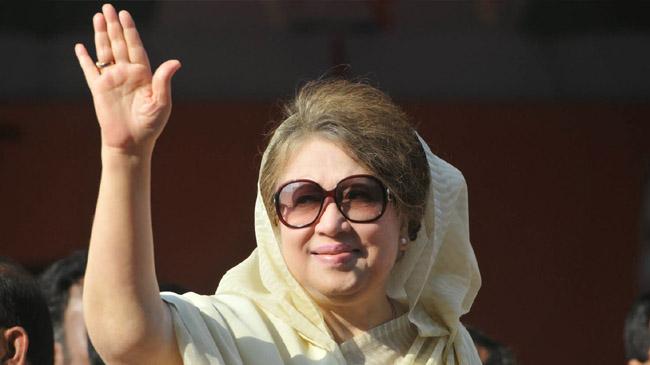
Leadership
First woman prime minister, championing democracy and reform.
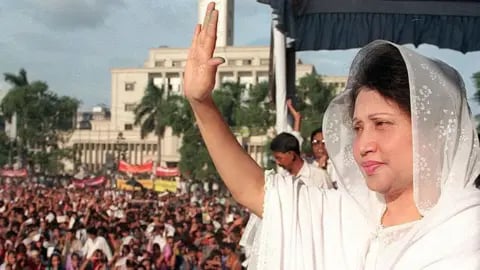
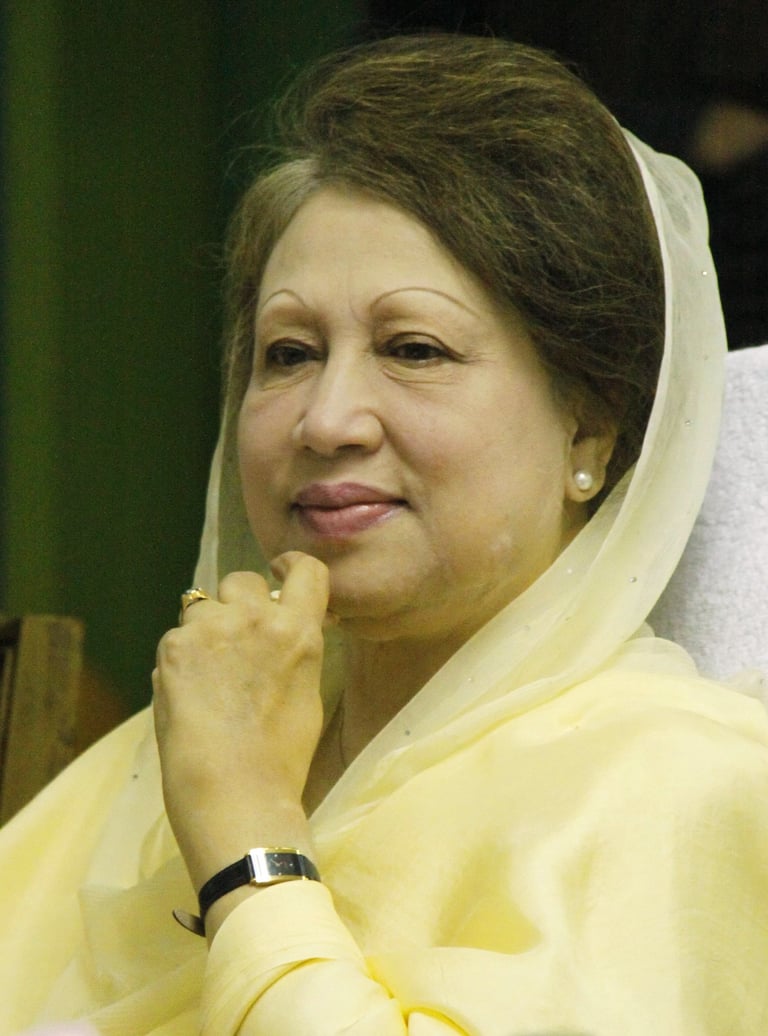
Legacy
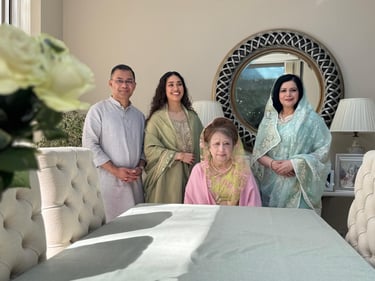
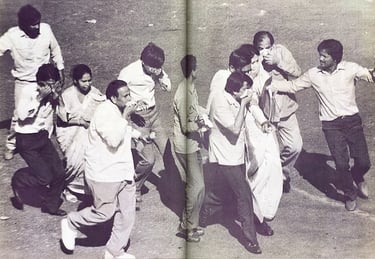
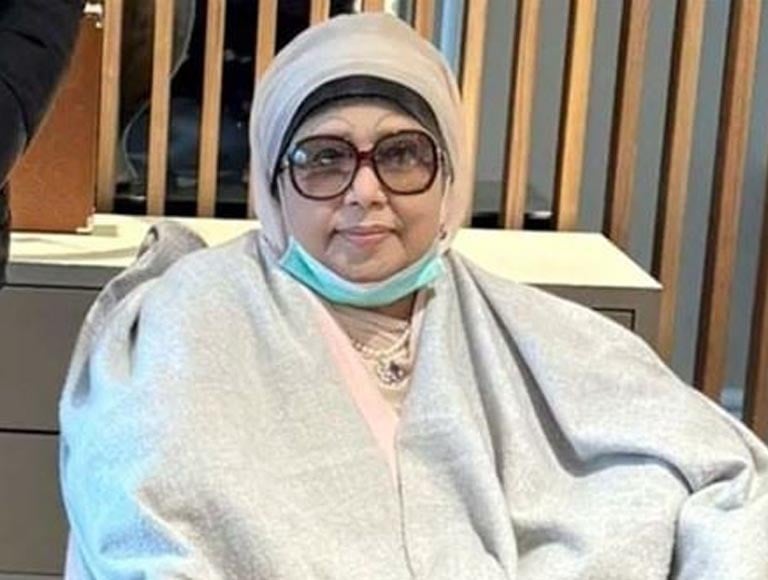
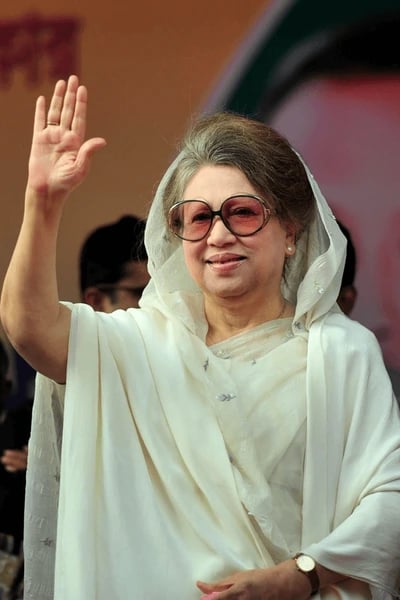
Moments from a life that shaped a nation.
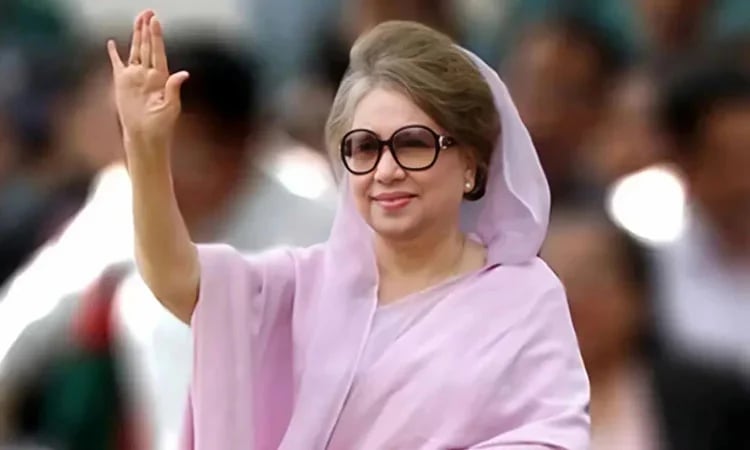
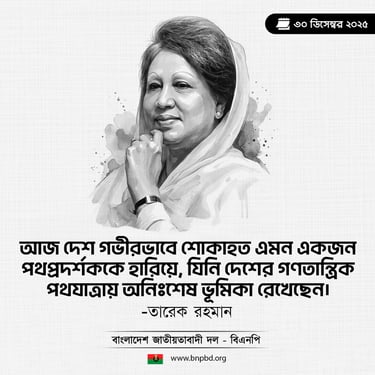
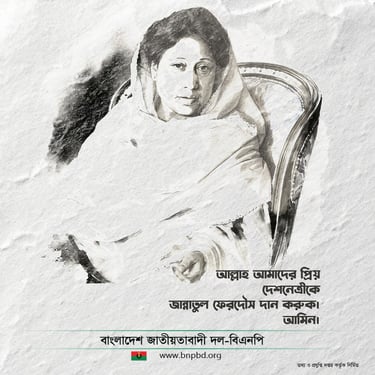
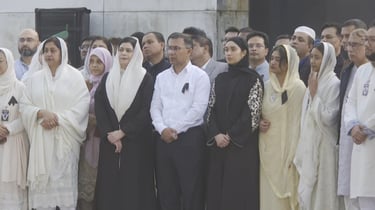
Begum Khaleda Zia's funeral videos
Sea of mourners gather in Dhaka as Bangladesh